
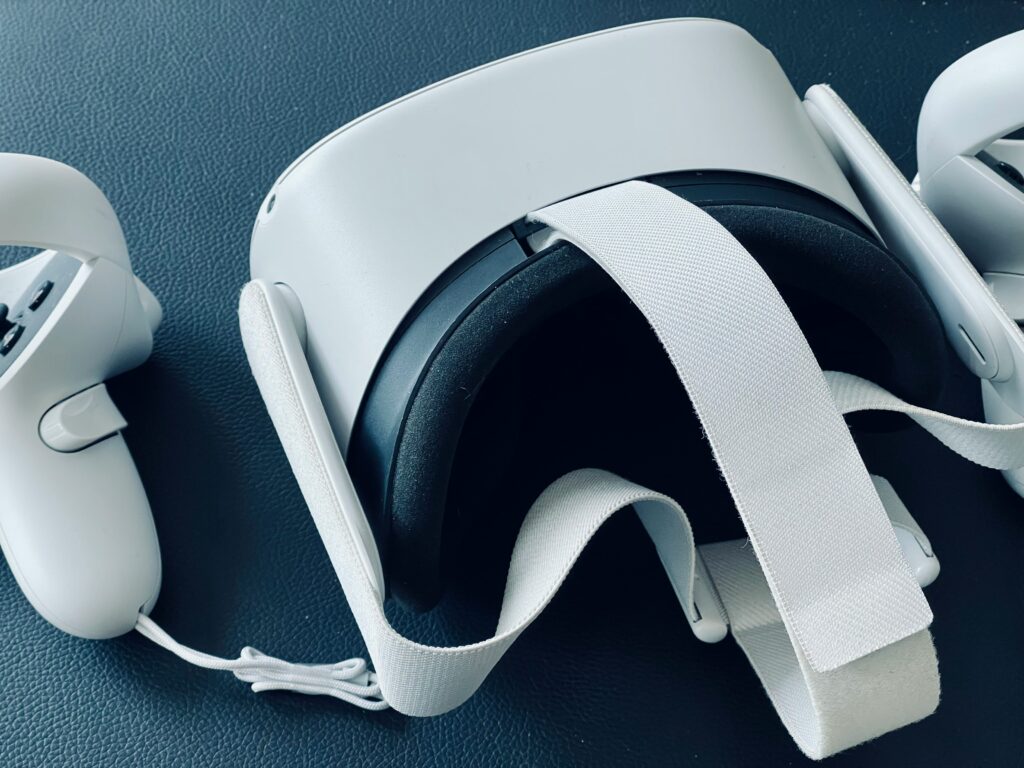
Meta VR glasses became the main focus at Meta Connect 2026, which took place on September 23.
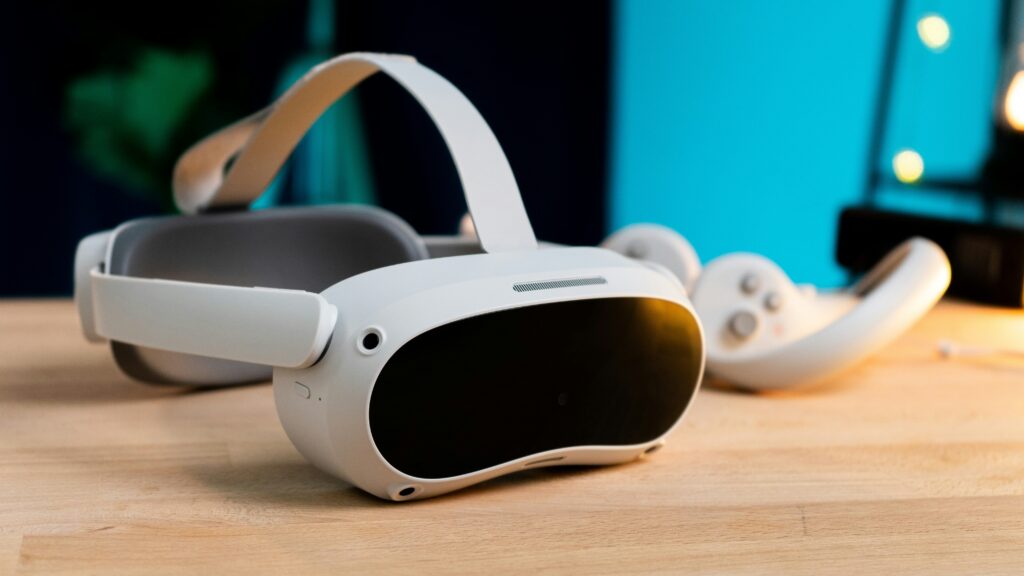
These glasses are priced at $1,299.99, weigh around 100 grams, and are set to be available in spring 2027. Alongside the glasses, Meta introduced a broader range of Ray-Ban products and the Muse Charm, a small device designed for use with the Muse AI assistant. Industry experts agree that this launch is significant, though opinions differ on whether the hardware or the software is the main selling point. This guide provides an overview of the announcements, pricing, and how the market is responding. (All information was verified as of September 24, 2026.)
Meta VR Glasses at a Glance
Meta VR glasses are designed as a headset that is smaller than traditional headsets, with the bulkier components moved to a separate unit. Key details include:
Detail What Meta Announced
Price $1,299.99
Release Spring 2027
Weight: Approximately 100 grams (frames only)
Display… 5K Infinite Display, micro-OLED, 37 pixels per degree
Lenses Pancake optics
Sound and Video: Dolby Atmos, Dolby Vision
Controls: Eye tracking, hand gestures, voice, typing on flat surfaces
AI | Muse integrated at the operating-system level
How Meta VR Glasses Work: Design and Technology
The compute puck
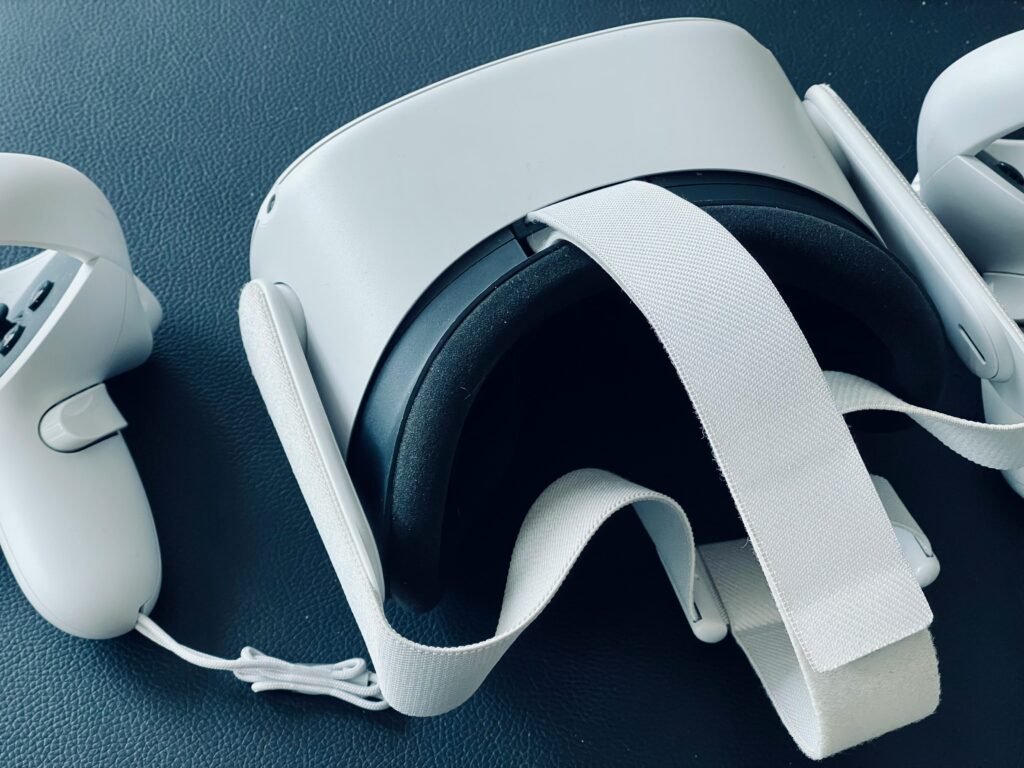
The processor, battery, and storage do not sit on the headset itself. Instead, they are housed in a small, wearable puck that connects to the frames via a cable and can be clipped to a pocket or bag. This design explains the low weight, but it also means users have to manage two separate items and a cable, which is a drawback for those who prefer a single, integrated device.
The Display
Meta uses micro-OLED panels along with pancake lenses, a design similar to that of high-end headsets. The 37 pixels per degree resolution should allow for clearer text compared to older consumer headsets, although actual performance will need to be evaluated through real-world testing. So far, no external sources have released long-term comfort or battery life data for these glasses.
Input: No Controllers Needed
Navigation is achieved using eye movement, hand gestures, and voice commands. One of the most talked-about features is surface typing, which allows any flat surface to function as a virtual keyboard. According to Bloomberg’s Mark Gurman, this feature significantly outperforms the keyboard on Apple’s Vision Pro.
Meta VR Glasses vs. Apple Vision Pro
Gurman described Meta’s headset as “incredible” and noted that it closely resembles the Vision Pro experience. He stated that the glasses weigh about one-sixth as much and cost less than half of the Vision Pro. This comparison has led many analysts to view Meta VR glasses as a strong competitor rather than just an experimental product.
The remaining gap is in ecosystem and user experience. Apple has spent years developing apps for its headset, while Meta is relying on Muse, its AI assistant, to provide a compelling reason for users to wear the device beyond entertainment.
Meta VR Glasses and the Smartglass Lineup
Meta did not introduce just one product at Connect 2026. Four new glasses models and one handheld device were announced or updated, each targeting a different audience.
Ray-Ban Meta Audio: The Camera-Free Option
Ray-Ban Meta Audio is the first Ray-Ban smart glasses model from Meta without a camera. These glasses weigh 43 grams and can last up to 12 hours on a single charge. Priced from $349, they begin shipping on October 13. Korean media viewed the design as a response to privacy concerns associated with facial cameras.
Ray-Ban Meta Gen 3: The Everyday Upgrade
Ray-Ban Meta Gen 3 starts at $449 and is already available. It includes a 12MP camera, up to nine hours of battery life, a customizable action button, and new Aviator and Zena frame styles. This model offers an improvement over the Gen 2 version.
Meta Ray-Ban Display and Neural Band: The Premium Pair
The Meta Ray-Ban Display glasses, when paired with the Neural Band, are now available for purchase. Meta claims they are being distributed globally and are optimized for deeper interaction with Muse.
Meta VR Glasses: The Headset-Sized Bet
Meta VR glasses are the most expensive item in the new smartglass lineup, priced at $1,299.99, and are not yet available for purchase. They are set to launch in spring 2027.
New Styles and Hearing Enhancement
Meta also added the Capri and Nova styles to its own Meta Glasses line. It also announced Hearing Enhancement, an FDA-approved feature for adults with mild to moderate hearing loss.
Users can take a brief hearing test at home using the Meta AI app without needing a prescription. It is set to launch in the U.S. later this year for a one-time fee of $149.99, or it may come bundled with a Meta One subscription.
Muse Charm: Meta’s First Holdable Muse Device
Muse Charm is a small gadget about the size of a hand, designed to clip onto a keychain.
It allows users to interact with Muse without needing to take out their phone. Mark Zuckerberg mentioned that the team was able to incorporate real-time voice and avatar functionality into the device. It is expected to be available in December, in time for the holiday season. Meta has not shared a price yet, and there was limited information provided about its features during the keynote. Muse itself is the underlying technology powering all the products mentioned above.
It was launched on September 8 in the U.S. and Canada for iOS and Android as an AI agent that can perform multi-step tasks such as shopping, booking travel, and composing emails. Meta stated that Muse will also be available on its VR glasses, activated by a wake word and operating in the background. Reported download numbers have ranged between approximately 2.5 and 2.8 million within the first two weeks, depending on the source.
What Wall Street Thinks of Meta VR Glasses and Muse

In short: positive about Muse, mixed views on the rest.
The optimistic outlook.
JPMorgan analysts suggested that Muse could become the most widely used consumer AI app since ChatGPT. Dan Ives from Yorkville Asset Management called Muse a game-changer, citing Meta’s 3.5 billion users as a significant advantage for distribution. Jefferies’ Brent Thill said Muse is delivering on the hype. Wells Fargo increased its price target from $640 to $796. Meta’s stock is on track for its best month since July 2013, with a roughly 30% increase in September.
The cautious perspectives.
Gene Munster of Deepwater Asset Management anticipated the stock to remain flat or decline after the keynote due to limited new data on Muse adoption. Shares dropped in after-hours trading by about 0.4% to 1.4%, depending on the report and timing. Oppenheimer expressed doubts about adoption, suggesting that users might not trust an agent that requires their login details. MarketBeat also noted that the free tier, offering 100 million tokens weekly, means Meta covers costs it does not charge for.
The math behind the hype.
Jefferies estimated that Muse could generate $10.8 billion annually if it reaches one billion users by the end of 2027, with at least 3% of users paying. This would equate to roughly $30 per month per subscriber (based on the $20 and $100 tiers). Meta’s stock has gained over $200 billion in value since its launch, so investors are factoring in a lot more than just this one figure.
None of this is investment advice. It is a summary of what named analysts have said.
Real-World Examples: Who Should Care About Meta VR Glasses
These are example scenarios based on announced features, not actual customer experiences.
The café worker.
Someone who edits documents on a train table could use the tabletop keyboard and a large virtual display to replace a laptop for light work. The cable and puck setup are the main challenges.
The commuter.
A person who wants hands-free calls, music, and Muse but doesn’t like the idea of a camera might choose the Ray-Ban Meta Audio for $349.
The shopper.
Meta claims Muse can help purchase products you see. However, there’s a catch: Amazon has reportedly blocked Muse from its store, according to Benzinga, so results will depend on which retailers cooperate.
The parent with hearing loss.
A user who qualifies for hearing enhancement can use their existing glasses for a one-time $149.99 instead of buying a new device.
Risks Most Coverage Skips Three things often receive little attention in market-focused reports.
First, the glasses are not available for purchase for another six months or more, so specifications and pricing could change. Second, Reality Labs, Meta’s hardware division, has been losing nearly $20 billion annually, according to The Motley Fool, and a $1,299 device won’t solve that quickly. Third, Muse’s impact has already affected other sectors: Schwab and LPL Financial each fell more than 6% due to concerns that consumer AI agents might reduce advisory fees.
FAQs About Meta VR Glasses
What are Meta VR glasses?
Meta VR glasses are a lightweight VR headset designed in the form of a pair of glasses. The frames weigh approximately 100 grams, and a separate cabled puck contains the processor, battery, and storage.
How much do Meta VR glasses cost, and when will they be available?
They retail for $1,299.99 and will be released in spring 2027.
How do Meta VR glasses compare to the Apple Vision Pro?
According to Mark Gurman, they are about one-sixth the weight and less than half the price while offering a similar user experience.
Has a price been announced for the Muse Charm?
Not yet. Meta has stated it will be available for holiday shipping in December but has not shared the pricing details.
Do the new Ray-Ban Meta Audio glasses include a camera?
No. These are Meta’s first Ray-Ban smart glasses without a camera. They start at $349 and will be available on October 13.
Is Muse free to use?
Yes, but with certain limitations. The free version allows users to access 100 million tokens per week. Paid subscription plans are priced at $20 and $100 per month, as reported by Reuters and MarketBeat.